

How Long Does Commercial Playground Equipment Last?
When planning a new playground, one of the most important questions to ask is: how long does playground equipment last? The answer depends on materials, usage, environment, and most importantly, the quality of the equipment you choose from the start.
For parks, schools, and community spaces, investing in commercial-grade playground equipment made from galvanized steel and HDPE plastic isn't just about durability, it's about maximizing value over time. While upfront costs may be higher, the extended service, reduced need to replace parts, and improved safety make it the smarter long-term decision. Many manufacturers also back commercial equipment with a warranty, providing additional confidence in the long-term investment.
Thank you for your submission! Your Playground Planning Guide will be sent to your email!
Typical Lifespan of Commercial Playground Equipment by Material
Not all playground systems are created equal. Materials play a major role in how long structures will last and how often components need to be repaired or replaced.
Metal (Galvanized or Powder-Coated Steel)
Commercial metal equipment typically lasts 15-20 years, with well-maintained systems reaching beyond that range. These structures form the backbone of most commercial playground designs due to their strength and resistance to heavy use.
Plastic (HDPE Components)
High-density polyethylene panels and elements generally last 10-15 years or more. UV-stabilized HDPE resists fading, cracking, and moisture damage better than standard plastics.
Wood
Wooden playground equipment typically lasts around 10-15 years, though it often requires more frequent maintenance and earlier replacement, especially in humid climates where moisture can contribute to decay. The lifespan generally reflects residential backyard playsets used by one or two children, not the heavy daily use of a commercial playground. Because wood is primarily used for residential equipment, Noah's does not offer wood playground systems. Instead, we focus on commercial-grade galvanized steel and HDPE that provide greater durability, lower maintenance, and a longer lifespan for schools parks, churches, and other public spaces.
Why Commercial-Grade Playground Equipment Lasts Longer
Commercial-grade playground equipment is engineered for public use, meaning it's built to handle constant activity, heavier loads, and more demanding conditions.
Built for High Traffic
Unlike residential sets, commercial playground structures are designed for dozens (or hundreds) of daily users. Thicker steel, reinforced joints, and heavy duty hardware all contribute to a longer lifespan.
Stronger Materials
Galvanized steel resists corrosion, while HDPE plastic won't rot, splinter, or absorb moisture. This combination ensures the equipment can last through years of exposure without frequent need to replace major components.
Standards and Safety
Commercial playground equipment meets strict safety standards like ASTM F1487, which requires rigorous testing for durability and performance. These standards naturally lead to longer lasting systems. Routine evaluations by a Certified Playground Safety Inspector can also help identify potential safety hazards before they become larger problems.
Professional Installation
Proper anchoring and foundation work reduces shifting and stress on the structure, helping the playground stay stable and functional for years.
Key Factors That Affect Playground Lifespan and Wear and Tear
Even the best playground equipment won't last forever without the right conditions. Several external factors influence how long your equipment performs before you need to replace parts.
Environmental Exposure
Sunlight (UV): Constant exposure can degrade materials over time. HDPE performs better than standard plastics but still weathers gradually.
Moisture: Rain and humidity can lead to corrosion if coatings are damaged.
Temperature Swings: Freeze-thaw cycles can loosen footings and stress joints.
Usage Levels
A busy school playground will experience more wear and tear than a lightly used community space. High-traffic areas may require earlier part replacement, even if the overall structure remains solid.
Installation Quality
Poor installation can shorten the life of any playground. Uneven foundations, shallow footings, or improper anchoring can lead to premature wear and the need to replace components sooner.
Playground Maintenance Practices
Routine inspections and small repairs can dramatically extend how long equipment will last. Proper maintenance helps catch issues before they worsen, while neglect accelerates deterioration.
Material Matters: Why Galvanized Steel and HDPE Plastic Are Worth It
At Noah's, the focus on commercial-grade galvanized steel and HDPE plastic isn't just accidental, it's strategic.
Galvanized Steel: The Structural AdvantageSteel provides unmatched strength for playground equipment, allowing structures to handle heavy use without bending or failing. The galvanized coating protects against rust, helping the equipment last longer in outdoor environments. HDPE Plastic Built for the ElementsHDPE panels resist UV damage, moisture, and temperature fluctuations. Unlike wood, they won't splinter or rot, reducing the need to replace panels over time. The Combined BenefitWhen steel and HDPE are used together, the result is a playground system that balances strength, safety, and longevity, minimizing maintenance and maximizing return on investment. | 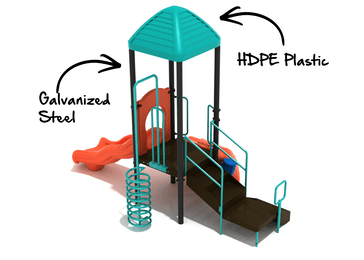 |
How Playground Maintenance Helps Prolong the Life of Playground Equipment
Even high-quality playground equipment benefits from proactive care. The goal isn't just to make it last, but to prolong its service life and delay when you need to replace major components.
Regular Inspections
Check high-wear areas like swings, chains, connectors, and other moving parts. Catching small issues early helps prevent accidents and larger failures.
Routine Cleaning
Removing dirt and debris helps preserve coating and surfaces, especially on metal and plastic components.
Prompt Repairs
Replacing a worn bolt or cracked panel early can prevent damage from spreading to other parts of the playground. Any issue that presents a potential hazard should receive immediate attention.
Proper Drainage
Water buildup around footings can accelerate corrosion and instability. Good site design helps your equipment last longer.
Signs of Wear: When It's Time to Replace Your Playground Equipment
No matter how well you maintain it, there comes a point when i's more practical to replace than repair.
Structural IssuesIf the playground shows signs of wobbling, rusted supports, or fatigue at joints, it may be time to replace key structural components, or the entire system. This is especially true for old playground equipment that has reached the end of its expected service life. Cracked or Missing PartsBroken panels, worn out steps, or missing safety features are clear indicators that parts need to be replaced. Surface DegradationFading, warping, or brittle materials reduce both safety and usability. When these issues become widespread, full replacement may be the better option. Outdated Safety StandardsAn old playground that no longer meets current safety guidelines may need to be upgraded or fully replaced to reduce liability and improve user experience. Be sure to review the manufacturer's warranty before replacing components, as certain parts may still be covered. | 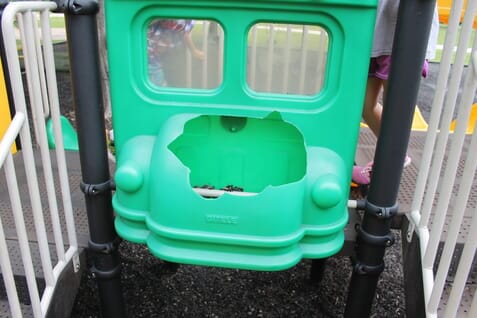 |
Planning for Long Term Value and Playground Lifespan
A smart playground investment considered the entire lifecycle, not just the initial cost.
Budget for Replacement Cycles
Instead of waiting for failure, plan when to replace high-wear components like swings and connectors.
Track Equipment Age
Keeping records helps you anticipate when parts will need to be replaced and avoid unexpected downtime.
Upgrade Strategically
When you do replace elements, consider improvements that enhance accessibility, safety, and play value.
Final Thoughts: Why Commercial-Grade Equipment Pays Off
So, how long should a playground last? With commercial-grade materials like galvanized steel and HDPE, the answer is often decades, not just years.
Choosing high-quality equipment means fewer repairs, fewer disruptions, and fewer times you need to replace major components. Over the lifetime of a playground, that translates to lower cost and a better experience for every child who uses it.